
Battery Regeneration vs. Replacement: Which is Better for Your Devices?
Modern technology has revolutionized the way we use devices, but one universal truth persists—without batteries, most devices are lifeless. From smartphones to electric vehicles, batteries power our daily lives. However, as they age, they lose their capacity and efficiency, prompting the need for repair, regeneration, replacement, or recycling. The question is: which solution is better for your devices? In this blog, we’ll explore the differences, advantages, and considerations of battery regeneration, replacement, and recycling, helping you make an informed decision for both your wallet and the planet.
What is Battery Regeneration?
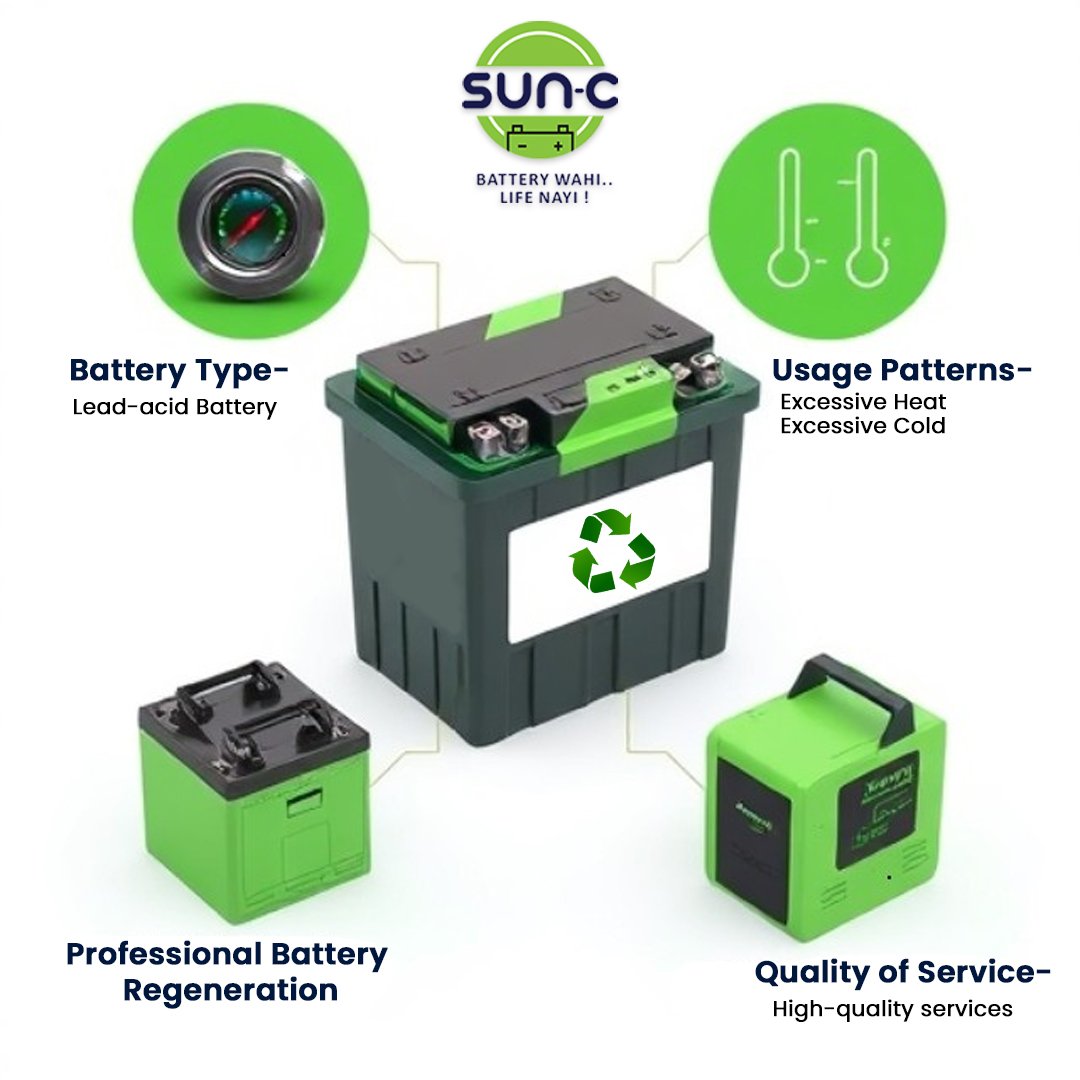
Battery regeneration is a modern and innovative process that restores the capacity of old or degraded batteries, giving them a second life. Over time, chemical reactions inside batteries cause a buildup of sulfates on electrodes, reducing efficiency. Regeneration reverses this damage through techniques like desulfation and rebalancing, allowing the battery to perform almost like new.
Benefits of Battery Regeneration
1. Cost-Effectiveness: Regenerating a battery costs significantly less than replacing it. This makes it an attractive option for both personal and industrial applications.
2. Eco-Friendliness: Battery regeneration prevents used batteries from ending up in landfills, reducing toxic waste and conserving resources.
3. Prolonged Battery Life: Through proper regeneration, the lifespan of a battery can be extended by up to 80%, depending on its condition.
4. Energy Efficiency: The process requires less energy compared to manufacturing a new battery, further reducing its environmental footprint.
Ready to Power Up With Sustainability ?
Don’t wait for your devices to lose power! Visit Sun-C Battery today to explore our battery regeneration services.
Contact Us NowBattery Replacement: A Traditional Solution
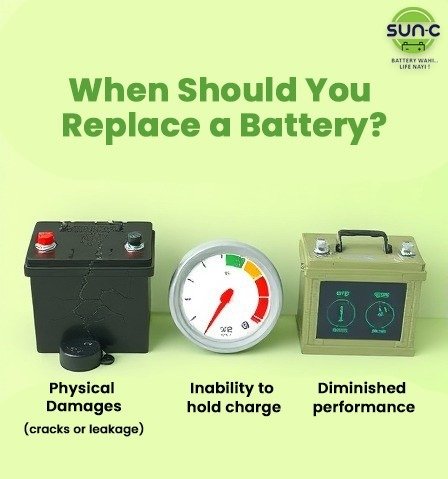
When a battery is completely worn out or damaged beyond repair, replacement is often considered the go-to solution. This involves purchasing and installing a brand-new battery.
When is Replacement Necessary?
- Severe Physical Damage: If a battery is physically damaged (e.g., swollen or cracked), replacement is the safest option.
- End-of-Life Batteries: When regeneration can no longer restore the capacity, replacement becomes unavoidable.
- Special Cases: Certain high-performance devices may require brand-new batteries to function optimally.
Costs and Downsides of Replacement
- Expense: Replacing a battery is generally more expensive than regenerating it, especially for larger or more advanced devices.
- Environmental Impact: Manufacturing and disposing of new batteries contribute to pollution and resource depletion.
- Availability Issues: In some cases, replacement batteries for older devices may not be readily available, leading to added inconvenience.
Battery Recycling: A Step Towards Sustainability
As global e-waste levels soar, battery recycling emerges as a critical step in addressing environmental concerns. Recycling involves breaking down old batteries into their component materials, which can be reused to manufacture new batteries or other products.
Environmental Impact of Discarded Batteries
- Toxic Leaks: Batteries that are improperly disposed of can release hazardous chemicals like lead, mercury, and cadmium into the environment.
- Non-Biodegradable Waste: Most batteries take hundreds of years to decompose, contributing to long-term pollution.
Role of Recycling in Reducing E-Waste
- Material Recovery: Recycling recovers valuable materials such as lithium, cobalt, and nickel, reducing the need for mining.
- Energy Conservation: It takes significantly less energy to recycle battery materials than to extract and refine new ones.
- Circular Economy: Recycling supports a sustainable production cycle by reintroducing materials into the supply chain.
Battery Regeneration vs. Replacement: A Comparative Analysis
Cost Comparison
- Regeneration: On average, battery regeneration costs 50-70% less than replacement, making it a highly economical option.
- Replacement: While replacement ensures a brand-new battery, the costs can be prohibitively high, especially for large-scale operations like electric vehicles.
Longevity and Performance
- Regeneration: While regenerated batteries may not perform at 100% of their original capacity, they often reach 80-90%, which is sufficient for most applications.
- Replacement: A new battery guarantees maximum capacity and performance but may not justify the cost in all cases.
Environmental Impact
- Regeneration: This is the most eco-friendly solution, as it extends the life of the battery and reduces waste.
- Replacement: Producing new batteries depletes resources and generates significant emissions, making it less sustainable.
Unlock a profitable, green future with battery regeneration. Start today!
Why Choose Sun-C for Battery Services?
Sun-C stands out as a leader in battery solutions, offering regeneration, repair, and recycling services tailored to meet your needs. Here’s why Sun-C should be your trusted partner:
- Expertise in Battery Regeneration and Repairs
Sun-C employs advanced techniques and state-of-the-art equipment to deliver top-notch battery regeneration services. Their team of skilled technicians ensures that every battery is restored to optimal performance. - Commitment to Sustainability
Sun-C prioritizes eco-friendly practices, emphasizing regeneration and recycling to reduce environmental impact. Partnering with Sun-C means contributing to a greener planet. - Transparent Pricing and Comprehensive Service
Sun-C provides detailed pricing information upfront, ensuring no hidden costs. From diagnostics to post-regeneration testing, every step is handled with utmost professionalism. - Customer Satisfaction
With a track record of satisfied clients across various industries, Sun-C has earned a reputation for reliability, quality, and innovation.
Conclusion
Maintaining battery health is essential for both the longevity of your devices and the environment. While battery replacement has been the traditional solution, advancements in regeneration and recycling now offer cost-effective and sustainable alternatives. The choice between regeneration and replacement ultimately depends on the battery’s condition, cost considerations, and your commitment to sustainability.
At Sun-C, we specialize in helping you make the best choice for your battery needs. Whether it’s regeneration, replacement, or recycling, our team is ready to provide professional advice and exceptional service.